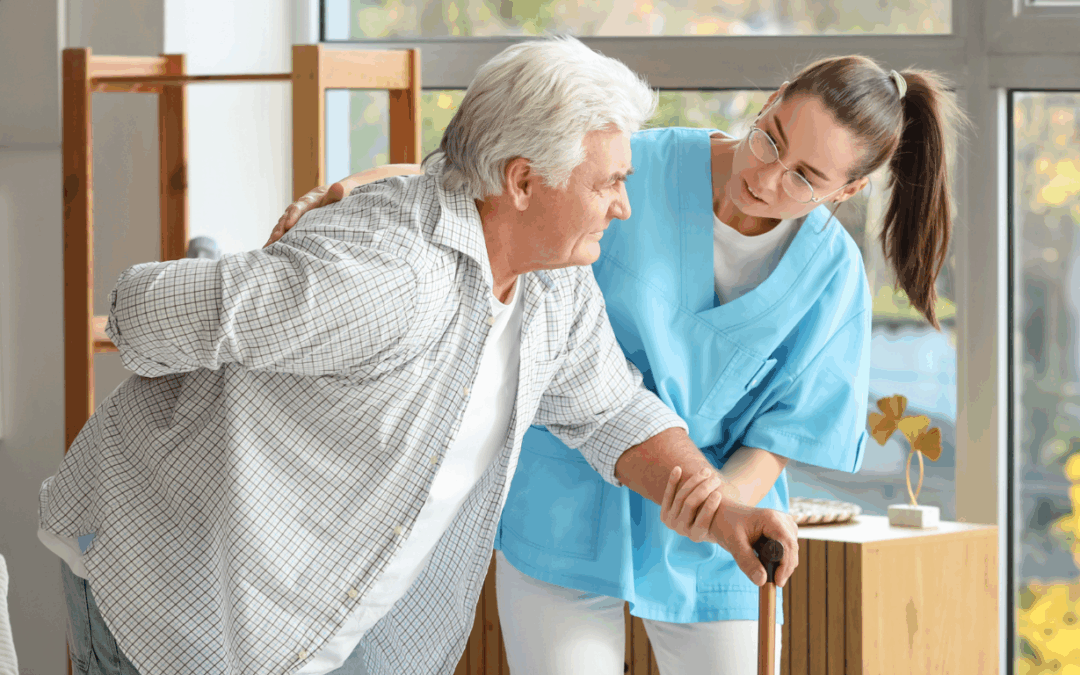
Falls are one of the leading causes of injury among older adults, and the impact can be life-changing. In Concord, California, many seniors choose to age in place, remaining in the homes they love and feel most comfortable in. While this choice supports independence and emotional well-being, it also introduces safety challenges that families must proactively address.
According to national aging data, one in four seniors experiences a fall each year, and many of these incidents happen at home. Slippery floors, poor lighting, cluttered walkways, and untreated mobility limitations increase the risk significantly. The good news is that most falls are preventable with thoughtful planning, proper home modifications, and ongoing support.
This guide is designed to help Concord families understand fall prevention tips for seniors at home in Concord CA, offering practical strategies that improve safety while preserving dignity. From room-by-room safety improvements to professional home care support, this article provides clear, actionable guidance you can trust.
Understanding Why Seniors Are at Higher Risk of Falls
Aging naturally brings physical and sensory changes that affect balance, strength, and coordination. These changes do not mean a senior is incapable, but they do mean that everyday tasks may require additional support and awareness.
One major contributor to falls is reduced muscle strength, especially in the legs and core. Seniors may struggle to rise from chairs, navigate stairs, or stabilize themselves when moving quickly. Balance also declines with age, making sudden turns or uneven surfaces more hazardous.
Vision and hearing changes further increase risk. Difficulty seeing steps, thresholds, or obstacles can cause missteps. Hearing loss can reduce awareness of surroundings, including warning sounds. When combined with medications that cause dizziness or fatigue, the likelihood of falling rises sharply.
Understanding these risks allows families to take preventive action early, rather than waiting for an accident to occur.
Common Areas in the Home Where Falls Occur
Falls are not random events. They tend to happen in predictable locations within the home, especially where movement, transitions, or moisture are involved.
High-Risk Areas Include:
- Bathrooms with wet surfaces and limited support
- Stairways without sturdy railings
- Bedrooms with poor nighttime lighting
- Living rooms with loose rugs or clutter
- Kitchens with hard floors and frequent movement
Many families assume danger only exists in bathrooms or stairs, but falls often occur during simple daily routines such as getting out of bed, reaching for items, or walking to the kitchen.
Identifying these areas helps families prioritize safety upgrades that deliver immediate results.
Room-by-Room Fall Prevention Strategies
Bathroom Safety Improvements for Seniors
The bathroom is consistently ranked as the most dangerous room in the home for older adults. Water, smooth surfaces, and tight spaces create a perfect environment for slips.
Installing grab bars near toilets and inside showers provides essential support. Non-slip mats inside and outside the tub help prevent sliding. Raised toilet seats reduce strain on knees and hips, making standing easier and safer.
Walk-in showers are ideal for seniors with mobility challenges, but even small upgrades can make a meaningful difference. Keeping frequently used items within easy reach prevents overreaching and loss of balance.
Bedroom Safety for Nighttime Mobility
Many falls occur at night when seniors get up to use the bathroom. Poor lighting, grogginess, and obstacles increase risk during these moments.
Ensuring clear walkways, removing loose rugs, and installing nightlights from the bed to the bathroom improves visibility. Bed height should allow feet to rest flat on the floor when seated, reducing instability when standing.
A bedside lamp or motion-activated light provides immediate illumination without requiring searching or stretching.
Living Room and Common Area Safety
Living rooms often contain furniture, cords, and decorative items that create tripping hazards. Seniors may navigate these spaces frequently, making safety essential.
Furniture should be arranged to allow wide, unobstructed pathways. Area rugs should be secured with non-slip backing or removed entirely. Electrical cords should be tucked away along walls.
Chairs and sofas should have firm cushions and armrests to assist with sitting and standing. These small adjustments support independence while reducing fall risk.
Kitchen Safety and Stability
The kitchen involves standing, bending, and reaching, all of which can challenge balance. Hard flooring increases injury risk if a fall occurs.
Frequently used items should be stored at waist level to avoid climbing or stretching. Non-slip mats near sinks and cooking areas improve traction. Spills should be cleaned immediately to prevent slipping.
Encouraging seniors to sit while preparing meals can also reduce fatigue and improve safety.
How Mobility Aids Reduce Fall Risk
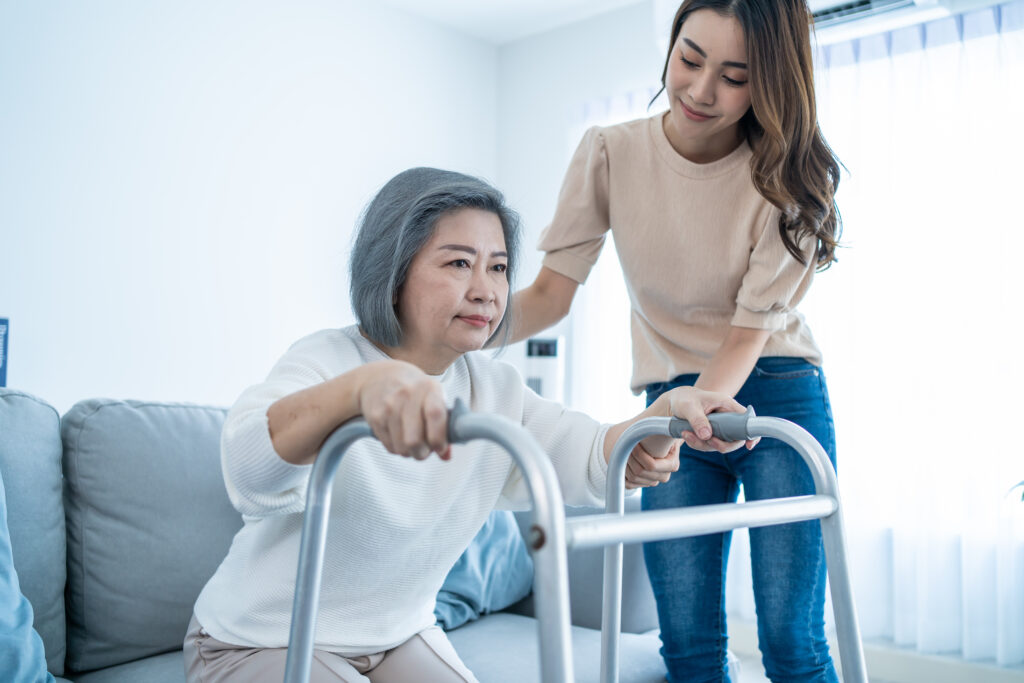
Mobility aids are not signs of weakness. They are tools that support independence and confidence.
Canes, walkers, and grab handles help seniors maintain balance and reduce strain. The key is choosing the right device and ensuring proper fit. A poorly fitted cane can increase fall risk instead of reducing it.
Physical therapists or home care professionals can assess gait and recommend appropriate equipment. When used correctly, mobility aids allow seniors to move safely throughout their homes and communities.
The Role of Exercise in Fall Prevention
Staying active is one of the most effective ways to prevent falls. Exercise strengthens muscles, improves balance, and increases flexibility.
Programs focused on balance training, gentle strength exercises, and stretching are especially beneficial. Activities like chair yoga, tai chi, or guided home exercise routines support stability without excessive strain.
Consistency matters more than intensity. Regular movement helps seniors remain confident and capable in their daily routines.
Medication Management and Fall Risk
Many seniors take multiple medications, some of which cause dizziness, fatigue, or changes in blood pressure. These side effects significantly increase fall risk.
Families should review medications regularly with healthcare providers. Adjusting dosages, timing, or combinations can reduce adverse effects. Medication reminders and organization systems help ensure proper use.
Professional caregivers often assist with medication monitoring, adding an extra layer of safety.
Home Modifications That Make a Lasting Difference
Below is a table highlighting effective home safety modifications and their benefits:
| Modification | Primary Benefit |
| Grab bars | Improves stability during transfers |
| Improved lighting | Enhances visibility and confidence |
| Non-slip flooring | Reduces slip risk |
| Stair railings | Provides balance support |
| Threshold ramps | Prevents tripping hazards |
These improvements are investments in long-term safety and peace of mind.
Why Professional Home Care Improves Fall Prevention
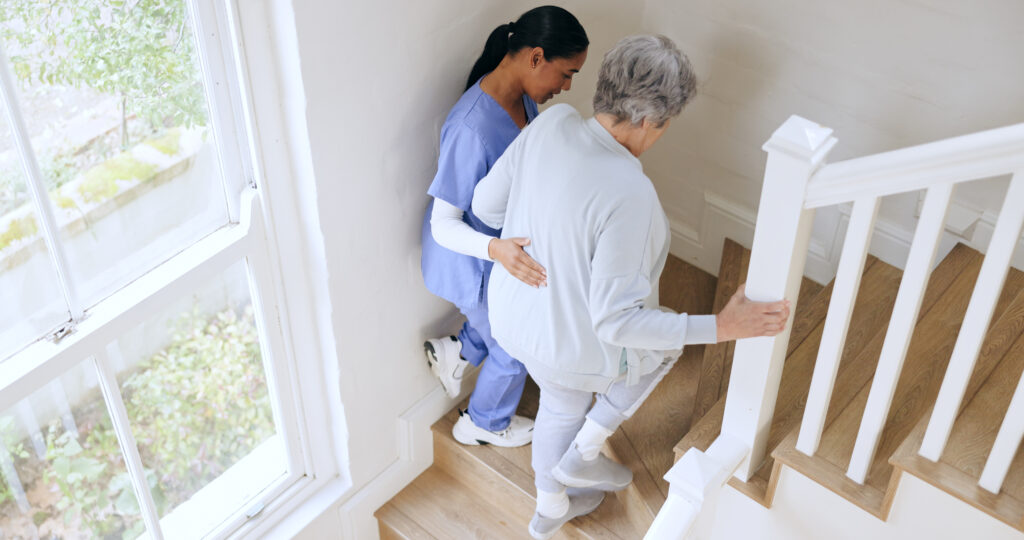
Even with home modifications, seniors benefit greatly from professional in-home support. Caregivers provide supervision, assistance with daily tasks, and immediate response in case of instability.
Caregivers help seniors move safely, encourage proper use of mobility aids, and maintain clutter-free environments. They also observe changes in balance or strength and communicate concerns early.
For families in Concord, professional home care offers reassurance that loved ones are supported consistently and compassionately.
Fall Prevention Education for Families
Family involvement plays a critical role in fall prevention. Educating loved ones about risk factors and safety strategies ensures everyone works together.
Open communication encourages seniors to express concerns without fear of losing independence. Fall prevention works best when approached as empowerment rather than restriction.
Conclusion
Creating a safer home for seniors is not about limiting freedom. It is about protecting independence, dignity, and quality of life. Fall prevention strategies allow seniors to continue living comfortably at home while reducing the risk of serious injury.
By addressing home hazards, supporting mobility, and considering professional assistance, Concord families can create environments where seniors thrive. With compassionate guidance and personalized care, EGN Home Care remains committed to helping families build safer, more supportive homes for aging loved ones.
Frequently Asked Questions
1. What are the most effective fall prevention tips for seniors at home in Concord CA?
Improving lighting, removing tripping hazards, installing grab bars, and using mobility aids significantly reduce fall risk.
2. How do caregivers help prevent falls?
Caregivers assist with movement, monitor safety risks, encourage proper equipment use, and respond quickly to instability.
3. Are home modifications expensive?
Many safety improvements are affordable and offer long-term benefits compared to the cost of fall-related injuries.
4. When should families consider professional home care?
If a senior shows balance issues, frequent falls, or difficulty with daily tasks, professional care adds essential support.
5. Can fall prevention help seniors stay independent longer?
Yes. Preventive measures extend independence, confidence, and overall well-being.