
Families searching for reliable senior support often discover that non-medical home care services in Concord CA offer an effective path toward maintaining independence and comfort at home. Seniors value the ability to stay in their familiar environment, surrounded by personal belongings, routines, and the lifestyle they have built over many years. This form of care provides assistance with daily tasks while preserving dignity and supporting overall confidence.
This article explores the emotional, physical, and practical advantages of non-medical home care for seniors in Concord. You will learn how personalized assistance boosts independence, improves quality of life, and nurtures a positive mindset. The goal is to help families understand the long term value of compassionate, consistent support designed specifically for aging adults.
Understanding the Role of Non-Medical Home Care Services in Concord CA
Non-medical home care focuses on everyday support rather than medical treatments. These services create an environment where seniors can continue living at home safely and comfortably. They receive help with tasks such as bathing, dressing, light housekeeping, and meal preparation. This support reduces stress, increases safety, and makes daily life manageable.
For many seniors in Concord, independence is closely tied to emotional wellbeing. They feel more confident remaining in their own space instead of moving to a facility. With non-medical home care, the goal is to preserve that independence as long as possible. The caregiver becomes a trusted assistant who encourages autonomy while stepping in for tasks that may be physically challenging.
Family members also gain peace of mind. They know that their loved one is receiving consistent support and companionship. This combination of confidence, safety, and structure helps create a strong foundation for long term wellness.
Table: Core Areas Supported by Non-Medical Home Care
| Care Area | Type of Support Provided | Impact on Daily Life |
| Personal Care | Bathing, grooming, dressing | Enhances hygiene and comfort |
| Household Tasks | Cleaning, laundry, organization | Improves home safety and order |
| Meal Services | Meal prep, grocery help | Supports nutrition and energy |
| Social Support | Companionship, conversation | Boosts emotional health |
| Mobility | Walking assistance | Reduces fall risks |
These areas work together to support independence and improve everyday living.
How Non-Medical Home Care Promotes Senior Independence
Independence brings pride, comfort, and emotional stability. Seniors feel more secure when they can do things on their own, even if they need occasional assistance. Non-medical home care supports independence by offering guidance without taking control, helping seniors remain in charge of their routines.
Many daily routines become harder with age. Tasks like bathing or cooking require both memory and physical strength. A caregiver offers help only when needed, giving seniors the freedom to participate in their daily lives. This balanced approach prevents frustration and builds confidence.
Independence also plays a powerful role in mental health. Seniors who maintain involvement in daily tasks experience a stronger sense of purpose. This feeling reduces emotional distress and promotes satisfaction. Over time, this consistent support encourages seniors to stay active and engaged with their environment, contributing to a healthier and more positive lifestyle.
Emotional Well-Being: The Hidden Strength of In-Home Support
Emotional wellness is one of the most overlooked benefits of non-medical home care. Many seniors experience loneliness, loss of motivation, or a sense of isolation. With age, social circles become smaller, and daily interaction can become limited. This makes companionship one of the most valuable services offered by caregivers.
A caregiver provides consistent conversation, shared activities, and emotional reassurance. These interactions are essential for building a stronger mindset. Seniors often feel uplifted simply by having someone who listens, understands, and encourages them throughout the day.
Emotional Benefits That Strengthen Independence
Reduced Loneliness
Companionship helps seniors feel connected and valued, which reduces emotional stress.
Increased Confidence
Daily encouragement supports a more positive outlook, helping seniors attempt tasks they may avoid alone.
Better Mental Stimulation
Conversation and mental activities keep minds active and alert.
These emotional advantages help seniors remain independent and more satisfied with their daily lives.
Physical Support That Encourages a Safe and Independent Lifestyle
Physical limitations often create barriers to independence. Non-medical caregivers assist seniors with tasks that require strength, stability, or coordination. This support maintains safety without removing personal freedom.
For instance, mobility assistance helps seniors walk confidently around the home. This reduces the likelihood of falls and provides reassurance during daily movement. Caregivers also assist with dressing and hygiene routines, ensuring that seniors feel comfortable, clean, and ready for the day.
Caregivers can also help seniors maintain healthy habits. This includes supporting hydration, offering gentle reminders to eat, encouraging light physical activity, and helping them follow safe routines. These small physical supports create a solid foundation for independence. When seniors feel physically secure, they naturally become more willing to participate in daily activities.
The Importance of Personalized Care in Non-Medical Home Care Services
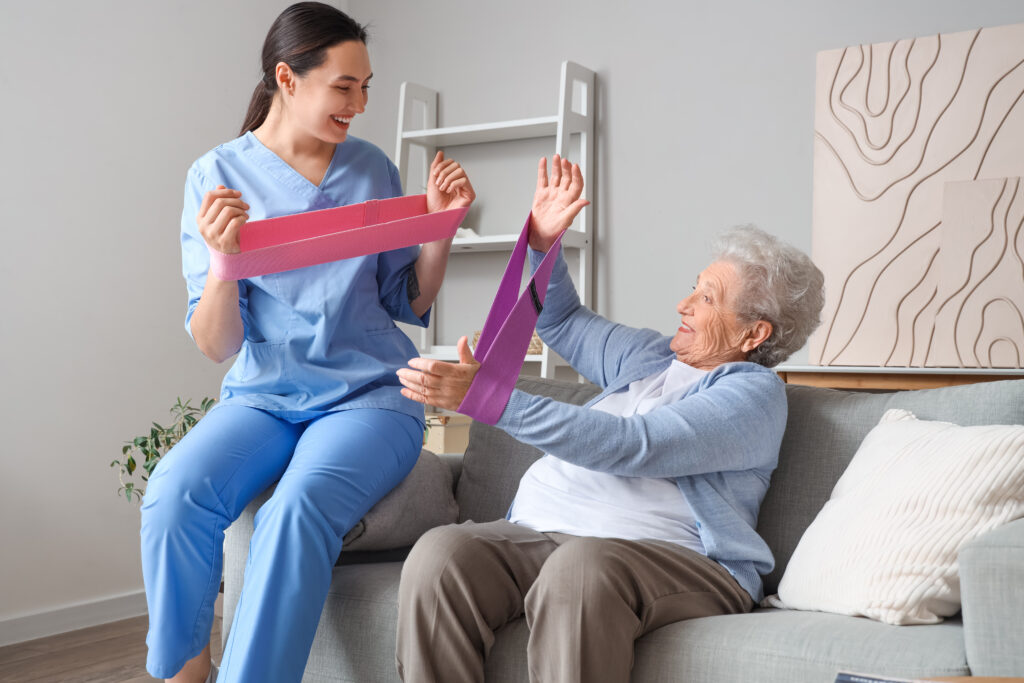
Personalization plays a huge role in the success of non-medical home care services in Concord CA. Every senior has different preferences, routines, and abilities. A standardized approach rarely meets these needs effectively. Customizing care ensures seniors feel respected, understood, and comfortable.
Caregivers build personalized plans based on the senior’s lifestyle. This includes preferred meal times, mobility levels, morning routines, social habits, and household preferences. A customized plan helps create an environment that supports both emotional and physical stability.
Sample Personalized Plan Structure
| Category | Senior Preference | Caregiver Approach |
| Morning Routine | Slow start, quiet mornings | Gentle wake-up assistance |
| Nutrition | Light meals, healthy snacks | Prepare preferred foods |
| Social Activities | Short talks, light games | Offer conversation and games |
| Home Environment | Organized, clutter-free | Maintain tidy spaces |
Personalized care increases satisfaction and promotes consistent independence.
Companionship and Social Engagement Improve Independence
Seniors who stay socially active often maintain better overall health. Social engagement strengthens memory, emotional resilience, and motivation. Without these connections, independence becomes harder to maintain.
Non-medical caregivers support social engagement by initiating conversation, encouraging hobbies, and assisting with communication tools like video calls or phone chats. These interactions help boost emotional balance and create meaningful daily structure.
Ways Caregivers Encourage Social Interaction
- Recreation such as cards, puzzles, or crafts
- Accompanied walks outside
- Encouragement to pursue personal interests or hobbies
- Assistance contacting friends or family
Each of these activities helps enhance overall independence by nurturing a positive emotional state.
Home Safety and Fall Prevention Through Non-Medical Home Care
Safety is one of the primary concerns for seniors living at home. A single fall can significantly affect mobility and confidence. Non-medical services play an important role in ensuring the home environment remains safe.
Caregivers identify potential hazards such as loose rugs, cluttered hallways, or slippery surfaces. They help rearrange items and maintain tidy spaces to minimize risk. They also observe changes in gait, balance, or strength, which allows them to adjust support as needed.
In addition to maintaining physical safety, caregivers assist with routines that contribute to daily stability. Seniors may need support moving from a sitting to standing position, reaching for objects, or walking through doorways. With a caregiver’s assistance, these movements become safer and less stressful. This creates a confident mindset that supports long term independence.
Practical Daily Support That Keeps Seniors Engaged and Independent

Daily routines form the backbone of independence. Tasks such as dressing, preparing meals, or organizing personal items help seniors feel in control. Non-medical caregivers support these routines in a way that increases participation instead of replacing it.
Caregivers often use a guided approach. They assist just enough to help seniors complete tasks safely. This method promotes involvement and reduces frustration. For example, a caregiver may help gather ingredients for cooking while allowing the senior to mix or season the food. This shared approach maintains independence and joy.
Daily Tasks That Promote Independence
Light Cleaning
Working together helps seniors remain involved in home upkeep.
Meal Preparation
Participating in meal decisions supports confidence and nutrition.
Organizing Personal Items
Maintains familiarity and reduces confusion.
Small daily victories build emotional strength and physical readiness.
How Non-Medical Care Reduces Family Stress and Supports Aging at Home
Families in Concord often struggle with balancing work, responsibilities, and senior care. Even with the best intentions, providing continuous support can be exhausting. Non-medical home care reduces this burden significantly.
Caregivers take on daily responsibilities that family members may not have time or energy to manage. This allows families to shift their focus back to meaningful interactions with their loved ones. Instead of caregiving stress, families enjoy quality time and stronger relationships.
Non-medical home care also brings peace of mind. Families know their loved one is receiving compassionate support throughout the day. This reassurance reduces anxiety and prevents caregiver burnout. As a result, aging at home becomes a sustainable and fulfilling option.
Conclusion
Non-medical home care offers seniors the opportunity to continue living at home safely, comfortably, and confidently. It provides personalized support, meaningful companionship, and structured assistance that strengthens both emotional and physical well-being. Families benefit from peace of mind, while seniors enjoy daily independence and dignity.
For compassionate, trustworthy, and dedicated care, families can rely on EGN Home Care to support their loved ones with exceptional non-medical home care services in Concord CA.
Frequently Asked Questions
1. What are non-medical home care services in Concord CA?
These services include assistance with daily routines, personal care, housekeeping, companionship, and mobility support. They help seniors remain independent at home.
2. Can non-medical care help seniors stay independent longer?
Yes. Consistent support with daily tasks, mobility, nutrition, and social engagement encourages seniors to stay active and confident.
3. How personalized are non-medical home care plans?
Care plans are fully customized to match the senior’s routines, preferences, physical abilities, and comfort levels.
4. Are caregivers trained to support safety and fall prevention?
Caregivers assist with safe movement, tidy environments, hazard awareness, and mobility guidance that reduces fall risks.
5. Does non-medical care help reduce stress for families?
Absolutely. Caregivers handle daily responsibilities, offering peace of mind and reducing caregiver fatigue.