
As the senior population continues to grow, families are realizing that one-size-fits-all senior care simply does not work. Every older adult has a unique medical history, lifestyle preference, emotional need, and level of independence. When care plans ignore these differences, seniors may experience unnecessary stress, declining health, or avoidable safety risks.
Personalized senior care plans at home focus on treating seniors as individuals, not checklists. These plans are designed around physical abilities, cognitive health, daily routines, and personal goals. This approach improves quality of life while allowing seniors to age comfortably and safely in their own homes.
In this guide, we explain why customized care plans outperform generic care models, how they are created, and what families should expect when choosing individualized home care services.
What Is a Personalized Care Plan for Seniors?
A personalized care plan is a custom-designed roadmap for a senior’s daily support, health management, and emotional well-being. Unlike standardized care programs, it adapts as needs change.
Key Elements of a Personalized Care Plan
A well-designed care plan includes multiple areas of support:
- Daily living assistance such as bathing, dressing, and mobility
- Medication reminders and monitoring
- Nutrition planning and meal preparation
- Cognitive and emotional support
- Safety assessments and fall prevention strategies
Each component is adjusted to match the senior’s physical condition, preferences, and medical requirements.
Why One-Size-Fits-All Senior Care Fails
Generic care models often assume all seniors require the same level of assistance. This assumption leads to poor outcomes.
Lack of Flexibility Creates Gaps in Care
Standardized care plans do not adapt well to changes in health. Seniors recovering from surgery, managing chronic illness, or experiencing cognitive decline need flexible care strategies, not rigid schedules.
When care lacks personalization, caregivers may overlook early warning signs of health changes, leading to preventable hospital visits.
Emotional Needs Are Often Ignored
Emotional well-being is just as important as physical health. Seniors who feel unheard or rushed often withdraw socially. Personalized care recognizes emotional comfort, routines, and familiar surroundings as essential to healthy aging.
The Health Benefits of Personalized Senior Care Plan

Personalized care improves health outcomes across multiple areas.
Improved Physical Health
Customized plans focus on mobility support, strength maintenance, and pain management. Caregivers assist with exercises, safe movement, and daily activities that reduce injury risk.
Better Chronic Condition Management
Seniors managing conditions such as diabetes, arthritis, or heart disease benefit from condition-specific care routines. Personalized plans support medication adherence, diet monitoring, and symptom tracking.
Reduced Hospital Readmissions
When care is consistent and tailored, caregivers notice health changes early. This proactive approach helps prevent complications that lead to emergency visits.
How Personalized Care Supports Emotional and Mental Well-Being
Emotional health plays a critical role in senior longevity.
Maintaining Dignity and Independence
Personalized care allows seniors to make choices about their daily routines. This sense of control supports confidence and self-worth.
Combating Loneliness and Isolation
Caregivers provide meaningful companionship. Conversations, shared activities, and emotional presence help reduce feelings of isolation and depression.
Cognitive Engagement and Mental Stimulation
Customized care may include memory activities, hobbies, reading, or light mental exercises based on the senior’s interests.
Personalized Care Plans Adapt as Needs Change
A major advantage of personalized senior care plans at home is adaptability.
Ongoing Assessments Ensure Proper Support
Care plans are reviewed regularly. As mobility, memory, or medical needs evolve, adjustments are made to maintain safety and comfort.
Flexible Scheduling and Services
Care hours can increase or decrease based on recovery progress, family availability, or lifestyle changes.
Key Differences Between Personalized Care and Generic Home Care
| Feature | Personalized Care Plans | One-Size Care |
| Individual Assessment | Yes | No |
| Flexible Services | Yes | Limited |
| Emotional Support | High Priority | Often Minimal |
| Caregiver Matching | Customized | Random |
| Family Involvement | Ongoing | Limited |
This comparison highlights why customized care consistently delivers better outcomes.
The Role of Family in Personalized Senior Care
Families are essential partners in the care planning process.
Collaborative Decision-Making
Family members help identify preferences, routines, and concerns. This information ensures the care plan reflects real needs, not assumptions.
Transparent Communication
Personalized care encourages regular updates. Families stay informed about progress, challenges, and changes.
Peace of Mind for Loved Ones
Knowing a care plan is designed specifically for their loved one reduces stress and uncertainty for families.
Safety and Risk Reduction Through Personalized Care
Safety risks vary widely among seniors.
Fall Prevention Strategies
Care plans include tailored fall prevention methods such as:
- Home safety modifications
- Mobility assistance techniques
- Balance-focused daily routines
Medication Safety
Personalized medication schedules reduce missed doses and harmful interactions.
Emergency Preparedness
Caregivers follow individualized emergency protocols based on medical history and mobility limitations.
Cost Efficiency of Personalized Home Care
Contrary to common belief, personalized care is often more cost-effective than standardized care.
Paying Only for What Is Needed
Families avoid unnecessary services by focusing only on essential care components.
Preventing Expensive Medical Events
Proactive care reduces hospitalizations, long-term complications, and emergency treatments.
How Professional Caregivers Implement Personalized Plans
Professional caregivers receive guidance specific to each client.
Caregiver Matching Matters
Matching caregivers based on personality, experience, and skills builds trust and consistency.
Training and Accountability
Caregivers follow documented care instructions and adjust routines as needed.
Consistency Builds Confidence
Familiar caregivers create emotional stability and improve care quality.
Why Personalized Care Supports Aging in Place
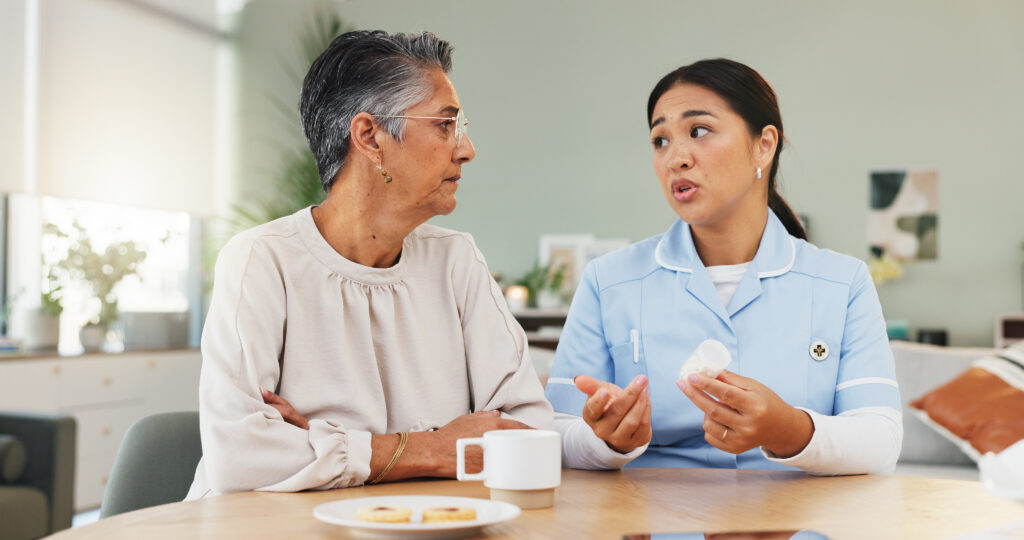
Most seniors prefer to remain at home.
Familiar Environments Promote Comfort
Personalized care supports daily routines within familiar surroundings.
Preserving Community Connections
Seniors maintain social ties, hobbies, and independence.
Delaying Institutional Care
Customized home care often postpones or eliminates the need for assisted living.
Conclusion
One-size-fits-all care does not honor the complexity of aging. Seniors deserve care that reflects their individuality, health goals, and personal preferences.
Personalized senior care plans at home provide better health outcomes, emotional stability, enhanced safety, and greater dignity. Families gain peace of mind knowing their loved ones receive thoughtful, responsive support.
At EGN Home Care, personalized care is not an option. It is the foundation of compassionate, effective senior support.
Frequently Asked Questions
1. What makes a care plan personalized?
A personalized plan is based on individual health, lifestyle, preferences, and evolving needs.
2. How often are care plans updated?
Care plans are reviewed regularly and updated whenever health or lifestyle changes occur.
3. Is personalized home care more expensive?
Not necessarily. It often reduces costs by focusing only on necessary services.
4. Can family members be involved in care planning?
Yes. Family collaboration is essential to successful personalized care.
5. Who benefits most from personalized senior care?
Seniors with chronic conditions, mobility challenges, cognitive changes, or emotional needs benefit the most.