

Caring for an aging parent is one of the most emotional responsibilities a family can face. Many seniors in Concord, California want to remain independent in the comfort of their own homes. However, subtle changes in health, behavior, or daily routines can signal that living alone is no longer safe. Knowing when to hire a caregiver for elderly parents in Concord CA can prevent accidents, reduce stress, and protect your loved one’s quality of life.
This guide helps families recognize the early and advanced signs that in-home care support may be needed. Understanding these warning signs allows you to act before small issues become emergencies, while still respecting your parent’s dignity and independence.
Why Recognizing the Signs Early Matters for Concord Families
Ignoring early warning signs can put seniors at serious risk. Falls, medication mistakes, isolation, and poor nutrition often happen gradually. By the time problems become obvious, the situation may already be unsafe.
Early intervention with in-home care support helps seniors remain at home longer while receiving help tailored to their needs. It also reduces caregiver burnout for family members who may be juggling work, parenting, and caregiving responsibilities.
In Concord, where many seniors live alone or far from extended family, professional in-home care provides an added layer of safety and peace of mind.
Noticeable Changes in Personal Hygiene and Appearance

One of the earliest indicators that an aging parent may need help is a decline in personal hygiene. Seniors who once took pride in their appearance may begin skipping baths, wearing dirty clothes, or neglecting grooming.
This change is often not laziness. It may be caused by fear of falling in the bathroom, joint pain, fatigue, or memory challenges. Tasks that were once simple can become physically demanding or intimidating.
In-home caregivers can provide discreet assistance with bathing, dressing, and grooming while preserving dignity. Maintaining hygiene is essential for physical health, emotional well-being, and social confidence.
Increasing Difficulty Managing Daily Household Tasks
Household responsibilities often become overwhelming as mobility and strength decline. Families may notice unopened mail, unpaid bills, spoiled food, or a cluttered living space.
These issues may indicate difficulty with organization, memory, or physical movement. Even simple chores like laundry, vacuuming, or taking out trash can pose safety risks for seniors.
Common household warning signs include:
- Piles of dirty dishes or laundry
- Expired food in the refrigerator
- Missed utility or rent payments
- A home that feels unsafe or poorly maintained
In-home care support helps seniors stay organized and live in a clean, safe environment without losing their independence.
Frequent Falls or Fear of Falling at Home
Falls are one of the leading causes of injury among seniors. Even a single fall can dramatically change an older adult’s confidence and mobility.
Sometimes the warning sign is not a fall itself but fear of falling. Seniors may avoid stairs, showers, or leaving the house altogether. This fear often leads to isolation and physical decline.
In-home caregivers help with safe mobility, supervision, and fall prevention strategies. They also provide reassurance, which helps seniors regain confidence in their daily routines.
Memory Lapses That Disrupt Daily Life
Occasional forgetfulness is normal with aging. However, consistent memory lapses that affect safety or daily functioning should not be ignored.
Examples include forgetting medications, leaving the stove on, missing appointments, or getting lost in familiar places. These behaviors may indicate cognitive decline that requires additional support.
A caregiver can assist with reminders, medication management, and daily structure. Early support helps slow decline and reduces risks associated with memory-related conditions.
Poor Nutrition or Noticeable Weight Changes
Changes in eating habits are another important sign. Seniors may lose interest in cooking, forget to eat, or rely heavily on unhealthy convenience foods.
Weight loss, dehydration, or an empty refrigerator may indicate difficulty preparing meals or grocery shopping. Poor nutrition can worsen existing health conditions and increase the risk of hospitalization.
In-home care ensures seniors receive balanced meals, proper hydration, and assistance with grocery planning, which directly supports overall health.
Medication Mismanagement and Health Complications
Managing multiple prescriptions becomes increasingly complex with age. Missed doses, double dosing, or mixing medications incorrectly can lead to serious health consequences.
Families may notice pill bottles that are still full, scattered medications, or confusion about dosing instructions. This is a critical sign that additional support is needed.
Caregivers help organize medications, provide reminders, and monitor side effects. Proper medication management can prevent emergencies and hospital readmissions.
Withdrawal From Social Activities and Increased Isolation
Social withdrawal is often overlooked but deeply impacts emotional and mental health. Seniors who stop attending social events, answering phone calls, or engaging in hobbies may be experiencing loneliness or depression.
Isolation can accelerate cognitive decline and reduce motivation to care for oneself. This is especially common among seniors living alone in Concord.
Companion care provides meaningful interaction, conversation, and emotional support. Having someone present daily helps seniors feel connected and valued.
Behavioral or Mood Changes That Raise Concern
Sudden changes in mood, personality, or behavior may signal unmet physical or emotional needs. Increased irritability, anxiety, sadness, or confusion should be taken seriously.
These changes may stem from pain, medication side effects, fear, or frustration with declining independence. Seniors may not always express these feelings verbally.
A consistent caregiver provides emotional stability and helps identify underlying issues before they escalate.
Safety Risks Inside the Home Environment
An unsafe home environment can be dangerous for seniors. Poor lighting, loose rugs, cluttered walkways, or lack of safety equipment increase the risk of injury.
Below is a simple overview of common risks and how in-home care helps:
| Home Risk | Potential Danger | Caregiver Support |
| Slippery floors | Falls and fractures | Supervision and safety guidance |
| Poor lighting | Trips and confusion | Monitoring and hazard awareness |
| Cluttered spaces | Mobility accidents | Light housekeeping support |
| Stairs | Loss of balance | Assistance with movement |
In-home caregivers help identify risks and maintain a safer living environment.
When Family Caregiving Is No Longer Sustainable
Many families in Concord provide care out of love and responsibility. However, caregiving can become overwhelming over time.
Signs of caregiver burnout include exhaustion, stress, guilt, and declining health. When family caregivers are stretched too thin, both the caregiver and senior suffer.
Professional in-home care offers relief while ensuring your parent receives consistent, compassionate support.
Benefits of Choosing In-Home Care in Concord
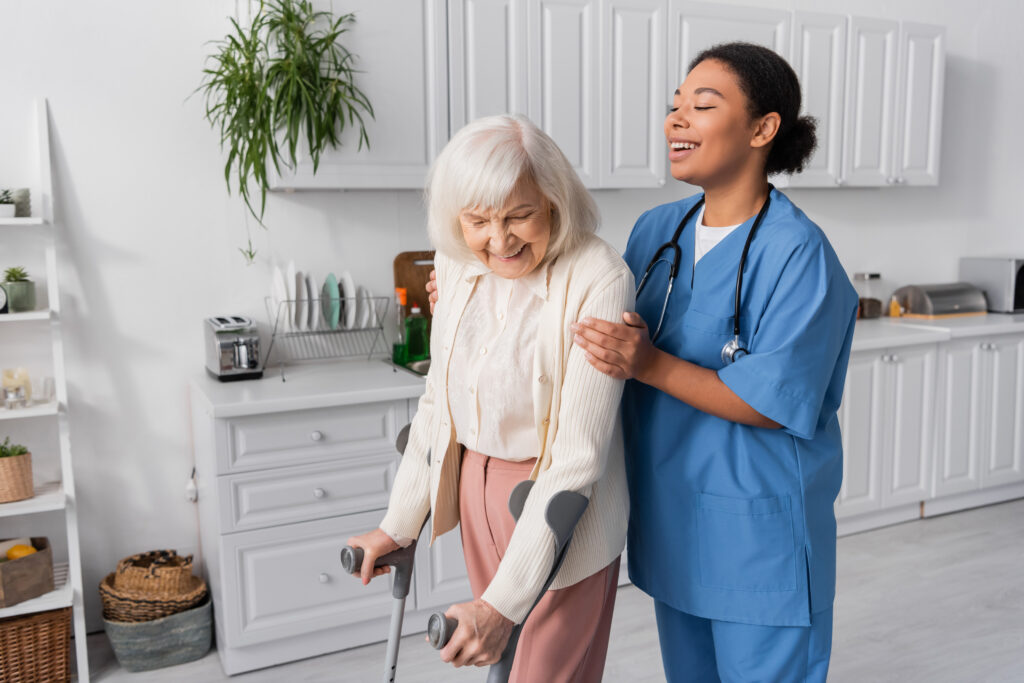
In-home care allows seniors to age in place with personalized assistance. It supports independence while addressing physical, emotional, and safety needs.
Unlike institutional settings, in-home care adapts to your parent’s lifestyle and preferences. Care plans can evolve as needs change, offering flexibility and peace of mind.
Families gain confidence knowing their loved one is safe, supported, and respected at home.
How to Start the Conversation With Your Aging Parent
Discussing care needs can be difficult. Seniors may fear losing independence or control. Approach the conversation with empathy and collaboration.
Focus on safety, comfort, and quality of life rather than limitations. Emphasize that in-home care is support, not replacement.
Including your parent in decision-making builds trust and reduces resistance.
Conclusion
Recognizing the signs that your aging parent needs help is an act of love. Early intervention prevents accidents, improves well-being, and allows seniors to remain at home longer.
If you are noticing changes in your loved one’s health, behavior, or safety, it may be time to explore professional in-home care. Trusted support helps families navigate aging with confidence and peace of mind.
For families in Concord, EGN Home Care is committed to providing compassionate, personalized in-home care that supports safety, dignity, and independence.
Frequently Asked Questions
1. When should I hire a caregiver for elderly parents in Concord CA?
You should consider hiring a caregiver when daily tasks, safety, memory, or health management become challenging and independence is at risk.
2. Can in-home care prevent nursing home placement?
Yes. Early in-home care support often allows seniors to age safely at home longer, delaying or preventing institutional care.
3. How many hours of care does my parent need?
Care hours depend on individual needs. Some seniors require a few hours daily, while others benefit from full-day support.
4. Is companion care enough for seniors living alone?
For many seniors, companion care addresses loneliness, safety, and daily routines, especially in early stages of aging.
5. How do I know if my parent is safe living alone?
Warning signs include falls, missed medications, isolation, poor hygiene, and home safety risks. These indicate the need for additional support.